Replacing an exterior door starts with something much less exciting than choosing glass, color, or hardware: getting the measurements right. For homeowners, accurate sizing also matters because a properly fitted entry system helps keep heat, humidity, rain, and outdoor air where they belong.
To learn how to measure for an exterior door, measure the width and height of the existing opening in several places and use the smallest measurements. For a complete prehung replacement, you may also need the rough opening, jamb depth, swing direction, and existing trim dimensions.
Knowing which measurement you're taking is just as important as knowing the number. A door slab, prehung unit, finished opening, and rough opening are not necessarily the same size.
How to Measure for an Exterior Door Correctly
Before pulling out the tape measure, determine what you're actually planning to replace.
If you're replacing only the slab, you need measurements of the existing door itself. If you're replacing the complete entry system, the installer needs information about the frame and opening as well.
A basic measurement starts with width and height.
For width, take measurements across the opening near the:
Top
Middle
Bottom
For height, measure vertically on more than one side of the opening.
Use the smallest measurement rather than assuming the opening is perfectly square. Older openings can shift slightly over time, and even a small difference can affect how the replacement fits.
You should also note the jamb depth, threshold, sidelites, transoms, and swing direction if they are part of the existing entrance.
Therma-Tru's entry door measuring guidance similarly calls for homeowners or installers to record the width, height, jamb width, door type, handing, swing, sidelites, and transom configuration when planning a complete replacement.
The goal isn't simply to find a number that looks close. How to measure for an exterior door depends on knowing which part of the assembly that number describes.
How to Measure a Door Opening Before Replacement
If you're researching how to measure a door opening, start with the finished opening you can see.
Measure across the opening in several places because the width may not be identical from top to bottom. Then measure the height on the left and right sides.
Don't assume that a door labeled 36 inches wide means every part of the installed system measures exactly 36 inches.
Door terminology can create confusion here because several dimensions may come up during a replacement project:
Door slab size: The dimensions of the moving door itself
Unit size: The dimensions of the assembled prehung door and frame
Rough opening: The framed opening in the wall
Exterior trim or brickmold opening: The space associated with exterior casing or trim
These measurements relate to each other, but they aren't interchangeable.
Your existing entry may also include a sidelite, double door, transom, unusually thick wall, or custom trim configuration. Those features change what you need to measure.
You can take basic measurements yourself to get a general idea of the opening size, but a professional should confirm the final measurements before you order a replacement door. Exterior door sizing can involve the slab, frame, rough opening, jamb depth, threshold, swing direction, and other details, so even a small measurement error may create fit, sealing, or installation problems.
How to Measure Rough Opening for an Exterior Door
The rough opening is the framed wall opening behind the finished door frame and trim.
Understanding how to measure rough opening for an exterior door therefore requires access to the framing itself. In an existing home, that can mean removing interior casing so the studs and header can be seen.
For the width, measure from the inside face of one framing stud to the inside face of the opposite stud.
For the height, measure from the subfloor or structural floor surface to the bottom of the header.
ProVia's measuring instructions recommend checking the width directly between the framing members and measuring the height from the subfloor to the header.
Why does that matter?
The rough opening needs enough room for the complete door unit to be positioned, leveled, plumbed, and secured. The frame cannot simply be forced into an opening that is too tight.
A professional will also look for more than dimensions. The condition and shape of the opening matter.
Potential concerns include:
Framing that is no longer square
Water damage around the entrance
Rot or deterioration
Uneven flooring near the threshold
Previous installation changes
Sidelites or transoms
Unusual jamb depth
Exterior trim that affects the replacement
For homes, moisture around an exterior entrance deserves particular attention. Heavy rain and humid conditions can expose weaknesses around an older door system, so measuring the opening is also an opportunity to look at what is happening around it.
Prehung vs Slab Exterior Door: What's the Difference?
The prehung vs slab exterior door decision determines how much of the existing entrance is replaced.
A door slab is essentially the door itself. It does not automatically replace the surrounding frame, jambs, threshold, or other parts of the entry system.
A prehung door comes fitted into its own frame. The system typically brings the slab, jambs, hinges, threshold, weatherstripping, and related components together as a unit.
ProVia describes its prehung exterior doors as complete systems that include components such as the frame, threshold, sweep, weatherstripping, and hardware preparation.
A slab can make sense when the existing frame is in excellent condition, and the new door can be fitted correctly into it.
A prehung replacement is usually worth considering when:
The jamb is damaged
The frame is out of square
The threshold is worn
Weatherstripping no longer seals properly
The existing door has recurring alignment problems
You're changing the size or configuration
Several parts of the entrance are aging together
When comparing a prehung vs slab exterior door, think about the condition of the complete opening rather than the price of the door panel alone.
Trying to fit a new slab into an old, damaged frame can leave the original problems in place.
Conservation Construction of Houston's door replacement services include ProVia entry systems with fiberglass and steel options, including Ascent, Signet, and Legacy doors.
What Is a Standard Exterior Door Size?
A standard exterior door size is usually expressed using the nominal size of the door slab rather than the exact dimensions of every part of the assembled unit.
A 36-inch-wide by 80-inch-high single door is one very common exterior configuration. Other widths and heights are available depending on the manufacturer, house, and entry design.
ProVia's current sizing information, for example, lists single-door widths including 30, 32, 34, 36, and 42 inches, along with several available heights.
That doesn't mean every entry was built around today's most common dimensions.
You may find:
Narrower older doors
Eight-foot entry doors
Double doors
Doors with one or two sidelites
Transoms above the door
Extra-wide entrances
Custom architectural openings
The standard exterior door size therefore gives you a starting point, not an ordering measurement.
If your current door measures close to a familiar size, resist the temptation to buy based on that measurement alone. You still need to know the dimensions of the unit or rough opening required for the product you're installing.
Why Accurate Exterior Door Measurements Matter
A measurement error can create more than an installation inconvenience.
An exterior door needs to sit correctly within the opening so the frame, threshold, weatherstripping, slab, and hardware can perform as intended.
A poorly fitted system may contribute to:
Uneven gaps around the slab
Drafts around the frame
Water reaching the opening
Difficulty locking the door
A slab that rubs the jamb
Poor threshold contact
Weatherstripping that does not compress correctly
Those issues matter where exterior entrances routinely separate an air-conditioned interior from high outdoor heat and humidity.
Even a high-quality door still depends on being matched and installed correctly for the opening.
Measure First, Then Choose the Right Entry Door
Learning how to measure for an exterior door can help you understand your current opening, but the final measurements should match the exact replacement system being ordered.
At Conservation Construction of Houston, we measure the opening and help you compare fiberglass and steel entry doors, glass options, finishes, hardware, sizes, and configurations for your home. If your existing frame is damaged or you're unsure about a prehung vs slab exterior door, we can also explain what makes sense based on the condition of the complete entrance.
Explore ourentry door options or schedule a consultation for your door replacement project.
Frequently Asked Questions About Measuring Exterior Doors
How do I measure for an exterior door replacement?
When learning how to measure for an exterior door, start by measuring the width in several places and the height on more than one side. Use the smallest measurements. For a complete replacement, you'll also want information about the rough opening, jamb depth, handing, swing direction, threshold, and any sidelites or transoms.
How do I measure a door opening if it isn't square?
When figuring out how to measure a door opening, take more than one width and height measurement rather than relying on a single point. Using the smallest dimension helps reveal variations in the opening. A professional installer can also check the opening for level, plumb, and square before the replacement is ordered.
How do I measure rough opening for an exterior door?
To understand how to measure rough opening for an exterior door, the finished trim may need to be removed so you can reach the framing. Measure the width from stud to stud and the height from the structural floor or subfloor to the bottom of the header. The rough opening is larger than the slab because it must accommodate the complete door unit.
Is 36 by 80 a standard exterior door size?
Yes, 36 by 80 inches is a common standard exterior door size for a single entry door, but it isn't the only size available. Manufacturers offer additional widths, heights, double-door systems, sidelites, transoms, and custom configurations. Measure the actual opening before choosing a replacement.
Should I buy a prehung door or just a slab?
The prehung vs slab exterior door decision depends largely on the condition of the existing frame. A slab may work when the frame, jambs, threshold, and alignment remain in good condition. If those components are damaged, worn, or out of square, replacing the complete prehung system may provide a better solution.
Get the Right Fit for Your New Houston Entry Door
Accurate measurements are the first step toward an exterior door that fits, operates, and seals properly. At Conservation Construction of Houston, we can measure your existing opening, walk you through your replacement options, and help you choose a new entry door that fits your home and style.
When you're replacing an entry door or trying to figure out why your current one sticks, sags, or won't latch correctly, you'll quickly run into terms like jamb, frame, handing, and hinge side. Knowing what is a door jamb can make it much easier to understand what's happening with your Houston home's exterior door.
What is a door jamb? A door jamb is part of the frame surrounding a door. The side jambs run vertically along the opening, with one supporting the hinges and the other providing the area where the latch and deadbolt meet the strike plate.
Once you understand the jamb, the rest of your door's anatomy becomes much easier to follow.
What Is a Door Jamb vs Door Frame?
One of the easiest door terms to mix up is what is a door jamb vs door frame. They're closely related, but they aren't exactly the same thing.
The door frame refers to the larger structure surrounding and supporting the door. The jambs are individual parts of that frame.
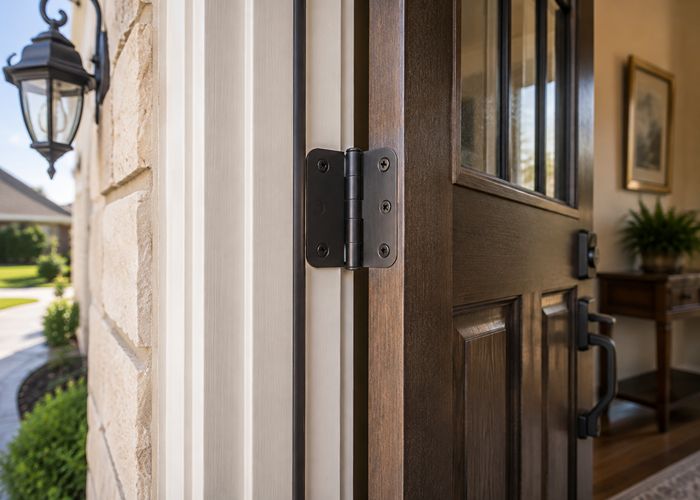
Look at an open exterior door, and you'll generally see a vertical jamb on either side and a horizontal piece across the top. The hinge-side jamb provides the mounting surface for the hinges. On the opposite side, the strike jamb contains the strike plate where your latch and deadbolt engage.
Helps create consistent spacing around the door slab
A problem with the jamb can therefore look like a completely different door problem. If the hinge-side jamb shifts, for example, the latch on the other side may suddenly stop lining up with its strike plate.
That's one reason it's useful to look at the entire opening rather than assuming a sticking or sagging door only needs a hardware adjustment.
What Are the Parts of a Door Jamb?
If you're wondering what are the parts of a door jamb, it helps to think of the jamb as part of a larger system rather than one simple strip of material.
Here are several terms you may hear when discussing the opening:
Hinge jamb: The vertical side where the door hinges attach.
Strike jamb: The opposite vertical side where the latch and deadbolt engage.
Head jamb: The horizontal portion across the top of the door.
Hinge mortise: A shallow recessed area that allows the hinge leaf to sit flush.
Strike plate: The metal plate that receives the latch or deadbolt.
Door stop: The portion of the frame that stops the slab in its closed position.
Weatherstripping: Material around the opening that helps reduce unwanted airflow and water intrusion.
You'll also hear terms such as threshold or sill. These refer to components at the bottom of an exterior doorway and aren't the same as the vertical jambs.
Knowing these basic parts can make conversations about repairs or replacement much clearer. Instead of simply knowing that "something around the frame is damaged," you can better understand which component is causing the trouble.
How Door Jamb Hinges Support an Exterior Door
Door jamb hinges connect the moving door slab to the stationary frame. One leaf of each hinge attaches to the door while the other is secured to the hinge jamb.
That sounds simple, but those relatively small pieces of hardware support the weight and repeated movement of the door.
Exterior entry doors can be heavy, especially when they include fiberglass or steel construction, decorative glass, reinforced components, or other features. Each time the door opens, the hinges and the jamb supporting them have to keep that weight properly positioned.
Problems may become noticeable when you see:
A door rubbing against the frame
A larger gap at one corner
A latch that no longer reaches its strike plate correctly
Hinges pulling away from the jamb
Loose hinge screws that keep returning
A door that appears lower on the handle side
Extra force needed to open or close the door
Sometimes the problem is minor hardware movement. Other times, damaged material around the hinge attachment means the jamb can no longer provide the support it once did.
Our entry doors in Houston are installed as complete systems so the door, jambs, frame, hinges, weatherstripping, and threshold work together.
Left-Hand vs Right-Hand Door: What Does Door Handing Mean?
Once you start shopping for a new door, another term you're likely to encounter is door handing.
Comparing a left-hand vs right-hand door tells you where the hinges are positioned and how the door swings. This matters because a replacement entry door has to be configured for the opening and intended swing direction.
The terms can seem unnecessarily complicated until you look at an actual doorway.
How to Tell if a Door Is Right-Handed or Left-Handed
One common method for how to tell if a door is right-handed or left-handed is to stand on the side where the door swings toward you.
Look at which side contains the hinges.
If the hinges are on your left, you're generally looking at a left-hand door.
If the hinges are on your right, you're generally looking at a right-hand door.
You'll also need to account for whether the door swings into or out of the home.
Manufacturers and installers may use specific handing terminology based on the direction from which the door is viewed, so don't rely on a guess when ordering a replacement. A professional installer can determine the handing while measuring the opening.
Why does this matter?
The wrong configuration can put the hinges, handle, lock, and swing direction on the wrong sides. It can also affect how comfortably the door works with nearby walls, furniture, switches, steps, or other features around the entrance. Handing, along with the inswing and outswing, should be confirmed before ordering the replacement door.
Why Houston Conditions Can Affect the Door and Jamb
Understanding what is a door jamb also means recognizing that exterior jambs are part of an opening exposed to changing outdoor conditions.
Houston brings plenty of heat, humidity, rainfall, and severe weather. The National Weather Service's Houston climate information provides long-term local temperature and precipitation records that illustrate the conditions exterior building materials experience throughout the year.
Moisture can be particularly important around an exterior opening. If water repeatedly reaches vulnerable or inadequately protected material, the jamb or surrounding components can eventually deteriorate. Some materials may also expand and contract as environmental conditions change.
The house itself can move over time, too. Small changes around the opening can affect the relationship between the slab, hinges, jamb, threshold, and lock hardware.
That's why a door that suddenly starts sticking doesn't automatically have a bad hinge.
A professional may look at:
Hinge attachment points
Jamb condition
Frame alignment
Gaps around the slab
Threshold condition
Weatherstripping
Lock and strike plate alignment
Signs of moisture around the opening
The goal is to find out why the door stopped operating correctly before deciding what needs to be repaired.
Does a Damaged Jamb Mean You Need a New Door?
Not necessarily.
If a hinge simply loosened and the surrounding material is still in good condition, an adjustment or minor repair may solve the problem.
More extensive damage deserves a closer look.
Watch for a jamb that is cracked, split, soft, visibly deteriorated, or pulling away around the hinges. You should also pay attention when the same adjustment needs to be made repeatedly.
A larger problem may be present when you have several symptoms at once, such as:
Recurring alignment problems
Water damage around the opening
Significant jamb deterioration
Large or uneven gaps
Poor weather seals
An aging or damaged door slab
Trouble locking the door
Drafts around the entrance
In those cases, repairing one part may not address the condition of the overall door system.
A complete pre-hung replacement includes a door slab already fitted within its frame. That gives you new jambs, hinges, weatherstripping, and related components designed to function together instead of trying to fit a new slab into a worn or damaged opening.
Repairing the Jamb vs Replacing the Entry Door
The best option depends on how much of the opening is affected.
An isolated issue with an otherwise solid door and frame may be worth repairing. If the door itself is old and you're already dealing with worn weatherstripping, damaged jambs, alignment problems, or poor performance, replacement may offer a more complete solution.
During the process, we can look at the complete opening rather than treating the visible symptom as the only problem. That includes measurements, swing direction, left-hand vs right-hand door configuration, frame condition, and the way the new entry system needs to fit your home.
For Houston homeowners dealing with an entry door that has become difficult to use, understanding the terminology is a helpful first step. The next is figuring out which part actually needs attention.
Frequently Asked Questions About Door Jambs and Handing
What is a door jamb?
A door jamb is part of the frame surrounding the door slab. The vertical hinge jamb supports the hinges, while the jamb on the opposite side provides the area where the latch and deadbolt engage. A horizontal head jamb runs across the top.
What is a door jamb vs door frame?
The frame is the complete structure surrounding and supporting the door, while the jambs are components of that frame. In everyday conversation, people sometimes use the terms interchangeably, but technically they describe different things.
What are the parts of a door jamb?
The main jamb sections are the hinge jamb, strike jamb, and head jamb. The complete assembly also works with hinge mortises, a strike plate, door stop, weatherstripping, threshold, and other components that help the exterior door close and seal correctly.
How can I tell if a door is right-handed or left-handed?
When learning how to tell if a door is right-handed or left-handed, stand where the door swings toward you and look at the hinges. Hinges on the left generally indicate a left-hand door, while hinges on the right generally indicate a right-hand door. Because terminology can vary based on swing direction and manufacturer, have the handing confirmed before ordering a replacement.
What causes an exterior door to sag?
Loose hinges are one possibility, but the cause may also involve damaged jamb material, frame movement, moisture deterioration, or changes elsewhere in the opening. If adjustments don't last, inspecting the complete door system can help identify the underlying problem.
Understand Your Door From the Jamb to the Hinges
Knowing what is a door jamb, how door handing works, and how the hinges connect to the frame can make it easier to spot when something is no longer working as it should. If your Houston entry door sticks, sags, lets in drafts, or has a damaged frame, Conservation Construction of Houston can help you determine if it is time for a replacement. We install complete entry door systems designed to fit the opening properly and provide dependable everyday performance.
Ready to take a closer look at your entry door? Contact us today to schedule your free consultation.
When it's time to replace your windows, most homeowners expect a simple swap. What they don't expect is a conversation about their walls.
But here's the thing: the condition of your window frame, the surrounding siding, and even the framing construction beneath your wall all play a major role in determining which type of replacement is right for your home.
Before you choose between full-frame and insert window replacement, your walls deserve a closer look.
What Is Insert Window Replacement?
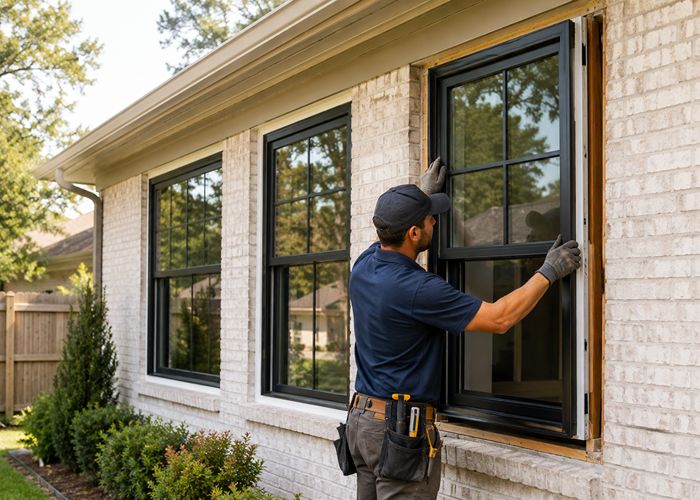
Insert window replacement, sometimes called a pocket replacement, involves sliding a new window directly into your existing frame. The old sash window is removed, but the surrounding frame, trim, and sill all stay in place.
This method works well when the existing frame is structurally sound, free of rot, and still square. It's a faster process, typically less disruptive, and usually carries a lower upfront expense. For Houston homeowners with older homes in good structural shape, this can be a practical and budget-friendly path forward.
The trade-off is that you're working within a smaller opening. Because the new window fits inside the existing frame, you lose a small amount of glass area and natural light. The window function stays intact, but the view gets slightly reduced.
What Is Full-Frame Window Replacement?
Full-frame replacement means everything comes out - the sash window, the frame, the trim, and sometimes even portions of the surrounding siding. The opening is taken back to the rough framing construction in the wall, and a completely new window unit is installed from scratch.
This method is more involved. It requires more labor, materials, and a higher overall cost. But it also gives you a clean slate.
If your current frames are showing signs of water damage, rot, or structural failure, inserting a new window into a compromised frame is like putting new glass in a broken shell. Full-frame replacement eliminates that risk entirely.
How Your Walls Actually Decide
This is where most guides fall short. They compare cost and aesthetics without explaining the underlying logic.
Your walls are speaking to you through visible clues. Here's how to read them:
Check the frame material first. Many older Houston homes have wood frames that have absorbed years of heat and humidity. Wood is beautiful but vulnerable to moisture, especially in a climate where summer never really quits. If you press on the windowsill and it gives slightly, or if you notice discoloration along the frame edges, rot may have already set in. That rules out insert replacement.
Look at the siding around each window. Siding serves as the exterior armor of your home. If the siding directly adjacent to your window shows gaps, warping, or bubbling, water has likely been working its way behind the surface. A full-frame window replacement allows the installer to inspect and address that damage before sealing everything back up.
Consider the shape of your opening. Over time, settling homes can cause frames to shift out of square. An insert window is designed to slide into a frame that's still true and level. If your frame has racked or bowed, forcing an insert into it creates air and water infiltration points that defeat the purpose of replacing the window in the first place.
Think about your floor plan and energy goals. Homeowners investing in Low-E glass windows or prioritizing efficient energy use typically get more value from a full-frame approach, since it allows for better insulation at the rough opening level and eliminates gaps that compromise thermal performance.
Comparing Cost: What You're Actually Paying For
The price gap between insert and full-frame replacement is real, but it reflects a difference in scope rather than quality.
Insert replacement costs less because the labor is simpler and no structural work is needed. You're paying for the window unit, the installation, and the finishing details. For homeowners on a tighter budget who have solid existing frames, this approach delivers solid results without the higher expense.
Full-frame replacement costs more because it includes the full removal, any necessary repair work at the framing construction level, new exterior finishing, and often coordination with siding or trim work. Brands like Marvin, Renewal by Andersen, and fiberglass-based window lines are frequently installed as full-frame units because they're designed to perform as complete, integrated systems.
Material Matters: PVC, Fiberglass, and Beyond
The window material you choose also factors into the replacement method decision.
Polyvinyl chloride (PVC) windows, commonly known as vinyl, are popular for insert replacements because they're lightweight, low-maintenance, and affordable. They handle Houston's heat reasonably well and don't require painting or sealing over time.
Fiberglass windows are more dimensionally stable and better suited for full-frame installations, especially when long-term energy performance is the priority.
Wood-clad options offer excellent aesthetics but typically require full-frame installation to ensure proper sealing and longevity.
Signs You Need Full-Frame Replacement
Visible rot or soft spots in the wood frame or windowsill
Water damage visible inside the wall or on surrounding drywall
Siding that shows moisture-related damage near window corners
Frames that are visibly warped, out of square, or separating from the wall
A home that's 25 or more years old with original windows and no prior replacement history
Signs Insert Replacement May Work for You
Frames are solid, square, and free of moisture damage
You want minimal disruption to interior trim and wall finishes
Your budget is a primary consideration
The existing exterior trim and brick or siding surround are in good condition
You're replacing windows in a room where the countertop, floor, or interior finishes make full demolition impractical
What About Warranties?
Both methods can come with strong warranty coverage, but the terms differ. Insert replacements often carry product warranties tied to the window unit itself. Full-frame replacements may include installation warranties that cover both the product and the surrounding work.
Always ask specifically what the warranty covers. A warranty that only protects the glass but not the installation or the seal at the frame level is worth a lot less than it sounds.
Choose the Right Window Replacement for Your Walls
Choosing between full-frame and insert window replacement isn't about picking the cheaper or faster option - it's about matching the method to the actual condition of your home. If your frames are sound, an insert can be a smart, efficient upgrade. If your walls are telling a different story through rot, water damage, or shifting frames, full-frame replacement protects your home long-term. The team at Conservation Construction of Houston can walk through your options with you and give you an honest assessment.
If you've been researching window replacement, you've probably run into this question pretty quickly: is it worth paying more for triple-pane windows or does double-pane glass get the job done just fine? It's a fair question, and the answer depends on more than just price tags.
Let's break it down in plain terms so you can make a decision that actually fits your home and your budget.
Double-pane windows use two panes of glass and one insulating gas layer, while triple-pane windows add a third pane and a second gas layer.
What's the Real Difference Between Double and Triple-Pane Windows?
Both window types use insulated glazing - sealed glass units filled with gas (usually argon) between the panes to slow down heat transfer. The difference is straightforward: double-pane windows have two layers of glass with one insulating gas pocket, while triple-pane windows add a third layer and a second gas pocket.
That extra layer of glass and argon improves thermal insulation, raises the R-value, and reduces the amount of heat that moves through the window in either direction. Triple-pane units also tend to have lower solar gain, meaning they're better at blocking unwanted heat from radiating into your home.
Low-E Glass: A Factor in Both
Most modern windows in both categories feature low emissivity (Low-E) coatings on the glass.
This thin, nearly invisible layer reflects heat while still letting in light. Whether you go double or triple-pane, Low-E glass plays a big role in efficient energy use and reducing your cooling and heating costs.
Energy Efficiency: Where Does Triple-Pane Actually Help?
Here's where the climate matters. In colder climates where winters are brutal, triple-pane windows earn their cost back faster. The additional building insulation they provide makes a noticeable difference when temperatures drop hard and stay down for months.
In Houston, however, winters are mild. You're not fighting weeks of freezing temperatures, so the energy savings from that third pane are smaller and slower to accumulate. What matters more here is managing solar gain during long, hot summers - and that's something both double- and triple-pane windows handle well when equipped with proper Low-E coatings.
Look for Energy Star-certified windows, regardless of the type you choose. This certification confirms the window meets performance standards for energy conservation tied to your specific climate zone. In Houston's hot and humid conditions, Energy Star ratings are a more reliable shopping guide than pane count alone.
What About Noise Reduction?
Triple-pane windows do offer better soundproofing than double-pane units. The extra layer of glass and insulating gas adds mass, which helps with noise reduction - especially useful if your home sits near a busy road or high-traffic area.
That said, double-pane windows still provide a meaningful improvement over single-pane glass when it comes to blocking outside noise. For most Houston homeowners, double-pane with a quality glazing setup is enough to bring comfort levels up significantly.
If noise is your primary concern - more than energy or cost - triple-pane may be worth the added investment for the soundproofing alone.
Condensation and Long-Term Performance
One overlooked benefit of triple-pane windows is reduced interior condensation. Because the inner pane stays closer to room temperature, moisture is less likely to form on the glass surface. This matters in high-humidity environments, which Houston certainly qualifies as.
Double-pane windows still perform well here with proper window installation, but triple-pane windows give you an edge when managing indoor moisture levels.
How Much Do Double-Pane and Triple-Pane Windows Cost?
Triple-pane windows typically cost 15% to 30% more than comparable double-pane units. Typical installed prices may range from:
Double-pane windows: $500 to $2,000 per window
Triple-pane windows: $1,000 to $4,000 per window
The added cost covers a third layer of glass, another insulating gas chamber, and a heavier frame. For most Texas homes, double-pane windows with Low-E glass offer a practical balance of performance and price. Triple-pane windows may be worth the added investment when sound reduction, condensation control, or maximum insulation is the priority.
Which Window Type Makes the Most Sense for Houston Homes?
For most Houston homeowners, double-pane windows with Low-E glass hit the sweet spot between performance and value. Triple-pane makes more sense when noise is a major concern or when long-term insulation gains matter more than upfront savings. The right choice comes down to your home, your priorities, and how long you plan to stay.
If you're ready to explore your options with guidance tailored to Houston's climate, reach out to the team at Conservation Construction of Houston at (281) 741-1041 for a free estimate.
Unpredictable winter weather has become more common across Texas, and recent cold snaps caught many homeowners off guard. If you suddenly felt cold air near window frames, noticed one room refusing to warm up, or saw condensation appear on or inside the glass, you’re not imagining it.
At Conservation Construction of Houston, we hear from homeowners every winter who say the same thing: “I never noticed this before the cold hit.” That’s because short freezes and sudden temperature drops make window problems much more noticeable, especially in homes designed for long cooling seasons rather than extended cold weather.
The good news is that most window issues exposed by a cold snap are common and fixable. The key is knowing what to check and when a simple repair is the right solution versus when energy-efficient windows in Houston are the smarter choice. A cold snap doesn’t create window problems. It reveals them.
Why Cold Air Makes Window Problems Worse
When outdoor temperatures drop quickly, the difference between indoor warmth and outdoor cold increases fast. That contrast highlights air leaks around windows, weak seals, and older glass that struggles to insulate. Research from The Pennsylvania State University notes that windows lose more heat per square foot than other surfaces in a home, which is why problems often become more noticeable during sudden cold snaps.
In warmer months, those same windows might just cause glare or a slightly warmer room. During a freeze, they allow cold air to move inside more easily. That’s why cold air coming through windows often feels sudden, even if the underlying issue has been there for years.
Humidity also plays a role. Moist air trapped between panes or around frames reacts quickly to cold, leading to window condensation problems or foggy windows between panes.
This can indicate the need for a window assessment and ultimately, a window replacement for Houston homes.
Common Signs Homeowners Notice First
Most people don’t jump straight to “my windows are failing.” What shows up first is the daily discomfort. Little things that are easy to ignore until a cold snap or windy night makes them obvious.
Here are the most common clues homeowners notice:
Cold air near the window frames when walking past. You might feel a chill at ankle level or along the side trim, even when the heat is running.
Windows are letting cold air in during windy nights. Some nights feel fine, then a front moves in and suddenly it feels like the room won’t hold warmth.
One room that never seems to warm up. The rest of the home feels normal, but one bedroom, office, or living area stays cooler than the hallway no matter what you set the thermostat to.
Fog or moisture that appears between panes and will not wipe away. If the cloudiness looks trapped inside the glass, that is usually one of the clearest window seal failure signs.
Drafty windows in winter that feel fine the rest of the year. In milder weather you may not notice anything, then a colder week hits and the same windows suddenly feel “leaky.”
A cold snap makes these issues impossible to ignore because the temperature gap between inside and outside is suddenly much larger.
Simple Checks You Can Do Right Now
Before you assume you need replacement, you can do a few quick checks that help you figure out what’s actually happening. None require special tools. Just a little time and attention.
1) The hand test along the frame
Pick a colder day or a windy morning. Slowly move your hand around the perimeter of the window, especially near the lower corners, meeting rails, and where the sash meets the frame.
If you notice:
a temperature drop near one edge
air movement you can feel
a “cold stripe” along the trim
These signs usually suggests air leakage. It also helps you pinpoint where the trouble spot is, which matters if the fix is as simple as sealing a gap.
2) The candle test for window drafts
The candle test for window drafts is an easy way to confirm air movement. Use a candle or incense stick and hold it a few inches from the frame (safely, away from curtains or anything flammable). Watch what happens.
If the flame flickers or the smoke pulls sideways, air is moving.
If it stays steady in most areas but reacts strongly in one corner, that corner is likely the leak.
This doesn’t tell you exactly why it’s leaking, but it’s a reliable way to confirm that the draft is real and not just “cold glass” making the area feel chilly.
3) Check the glass for trapped fog
Take a close look at the window on a cold morning. If you see foggy windows between panes and wiping doesn’t change anything, the moisture is inside the sealed glass unit. That’s typically a seal failure, meaning the window has lost part of what makes it insulating.
A simple way to tell the difference:
Moisture on the inside surface can be normal humidity and may improve with ventilation.
Moisture inside the glass (between panes) usually points to a failed seal.
4) Test how it closes and locks
Operation matters more than people think. If the sash doesn’t sit tight, air can leak in even if the window “looks closed.”
Check for:
a window that sticks or requires two hands
a lock that doesn’t line up
a sash that feels loose or rattles slightly
Those issues can create gaps that lead to windows letting cold air in, especially on gusty nights.
Do You Actually Need Replacement?
Not always. In some cases, loose weatherstripping, small gaps in caulking, or minor hardware adjustments can reduce drafts and improve comfort, especially if the issue is isolated to one window. Those fixes are worth exploring first before window replacement.
Problems start when the same cold air near windows shows up again each winter, seals have already failed, or multiple rooms struggle to stay comfortable during temperature swings. At that point, repairs tend to act as short-term patches rather than real solutions.
That’s when energy-efficient windows in Houston become important, because they address air leakage and insulation issues at the window itself instead of around it.
How Modern Windows Improve Comfort
Today’s windows are designed to manage heat transfer and airflow much more effectively than older units. Tighter seals, improved frame construction, and insulated glass all work together to limit drafts and reduce temperature differences near the window.
Low-E glass helps reflect heat while still allowing natural light into the room. When these features are paired with proper installation, they help reduce cold snap home issues while also supporting comfort during long, warm seasons when solar heat gain becomes a bigger concern.
During a freeze, those improvements matter most because they slow heat loss instead of letting warmth bleed out through the glass and frame.
When a Professional Evaluation Makes Sense
If drafts keep coming back, condensation shows up between panes, or certain rooms never seem to feel right, a professional evaluation can help clarify what’s actually happening.
A window assessment looks at sealing, glass condition, and installation factors to determine whether a simple fix is enough or if replacement is the more practical next step.
Retractable patio screens are among the most popular upgrades for homeowners seeking to enjoy their outdoor spaces with comfort.
Whether you're trying to block the sun, keep bugs at bay, or add a touch of privacy, these screens offer flexible solutions that blend function with convenience.
But are they really worth the investment?
Let’s break down the biggest pros and cons so you can decide if retractable patio screens are right for your home.
If you’re weighing the decision, here’s a quick cheat sheet:
Pros:
Blocks the sun and UV rays
Keeps bugs out
Adds privacy without blocking views
Extends usable outdoor space
Reduces cooling costs
Sleek, modern design
Easy to retract when not needed
Customizable to fit your space
Can boost home resale value
Cons:
Higher upfront cost
Needs occasional maintenance
Should be retracted during strong storms
Let’s take a closer look at why retractable patio screens are becoming a favorite among homeowners and whether they’re the right fit for your patio.
What Are Retractable Patio Screens?
Retractable patio screens are mesh screens that roll up and down—either manually or with a motor—providing shade, bug protection, and privacy on demand. They’re typically installed around patios, porches, decks, and even pergolas, and are designed to disappear when not in use. This gives homeowners flexibility and control over their outdoor environment.
1. Block Harsh Sunlight and UV Rays
Retractable screens can block up to 98% of glare and 90% of UV rays, keeping your outdoor space cool, comfortable, and safe. That means no more squinting during lunch on the patio, and your furniture, flooring, and skin stay protected from sun damage over time.
2. Keep Bugs Out, Let Fresh Air In
Enjoy meals and relaxation outdoors without the annoyance of flies, gnats, or mosquitoes. The mesh allows fresh air to circulate while creating an invisible barrier that keeps pests exactly where they belong: out of your space.
3. Enhance Privacy Without Sacrificing Your View
Certain screen fabrics offer daytime privacy from nosy neighbors or street traffic, while still letting you enjoy your backyard view. No need for bulky curtains or building permanent walls.
4. Extend Your Living Space
Think of it as a bonus room without the remodel. Retractable screens help turn patios and porches into cozy, enclosed spaces you can enjoy for more months of the year, ideal for dining, entertaining, or just unwinding with a book and a breeze.
5. Lower Energy Costs
By shading your windows, patio doors, and nearby indoor areas, these screens can noticeably reduce interior heat gain, helping your AC work less. That translates to lower utility bills, especially during summer’s hottest days. According to the U.S. Department of Energy, solar-rated window treatments like these can help reduce cooling costs by up to 25–35% depending on placement and exposure.
6. Sleek and Modern Aesthetic
With clean lines and retractable functionality, these screens disappear when not in use, preserving your home’s original charm without bulky hardware. It’s a minimalist, modern upgrade that complements almost any style.
7. Custom Fit and Smart Features
From compact balconies to large lanais, screens can be custom-fitted to your exact opening. Add motorized controls, remotes, or smart home integration to control light, airflow, and privacy with the push of a button or voice command.
8. Safe for Kids and Pets
No sharp edges, swinging doors, or exposed metal frames, just smooth, retractable mesh that’s easy on fingers, paws, and peace of mind. It creates a safe play zone without sacrificing openness.
9. Increase Home Value
Buyers love upgraded outdoor spaces. A shaded, bug-free, private patio stands out in real estate listings and showings, adding a premium feel to your backyard and potentially increasing resale value.
Why Motorized Patio Screens Are the Best Investment
While all retractable patio screens add comfort and flexibility, motorized systems take things to the next level. With the touch of a button—or even a voice command—you can instantly create shade, block bugs, or add privacy without leaving your chair.
Motorized patio screens aren’t just about convenience; they protect your investment too. Quick retraction during storms prevents damage and extends lifespan, giving them a durability advantage over manual systems. They also add a sense of luxury and privacy that homeowners (and future buyers) value highly.
From an ROI standpoint, motorized screens make a strong case. Outdoor upgrades like patios and screened areas typically return 30–60% of their cost when it’s time to sell, and in some regions, screened porches recoup about 75% of their value. Add in potential energy savings—some homeowners report $250 or more in cooling cost reductions each summer, and motorized screens prove to be one of the smartest long-term investments you can make in your outdoor living space.
If you’re considering retractable screens, motorization offers the best return: effortless control, longer durability, energy savings, and a premium feel that elevates both your home’s comfort and its market appeal.
The Downsides (And How to Manage Them)
Initial Cost: Retractable screens may be more expensive upfront than fixed options, particularly with motorization. That said, many homeowners find the long-term benefits outweigh the price.
Maintenance: Tracks should be cleaned periodically, and fabric inspected for wear. Simple upkeep ensures a longer lifespan.
Weather Vulnerability: They should be retracted during high winds or storms to prevent damage. A quick motorized retraction keeps them protected and extends their life.
How Long Do Retractable Patio Screens Last?
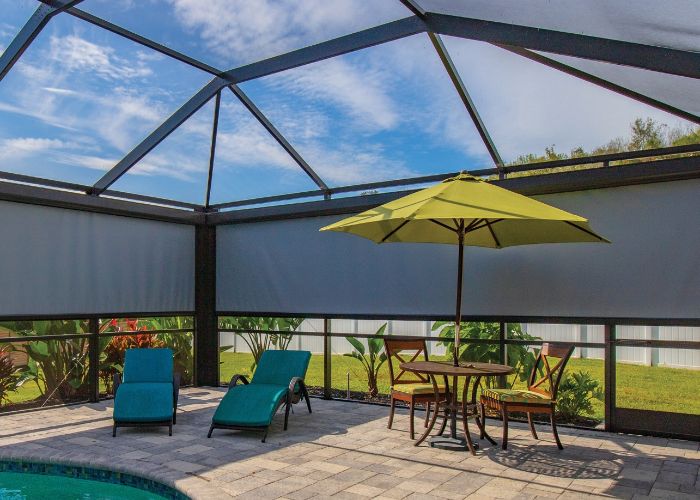
Fully enclosed patio with screens
This is one of the most frequently asked questions by homeowners. And it’s a smart one.
Most retractable patio screens last between 8 and 15 years, depending on the quality of the materials, exposure to weather, and the level of maintenance.
Here’s what impacts longevity:
Material quality: Higher-end mesh and frames are resistant to UV damage and wear.
Frequency of use: Daily use is fine, as long as screens are properly retracted in storms.
Maintenance: Keeping the tracks clear and components clean helps avoid wear and tear.
Installation: Professionally installed screens tend to perform better and last longer.
With proper care, retractable screens often outlast fixed screens that remain exposed year-round.
Are Retractable Screens Right for You?
If you want a flexible and attractive way to enjoy your outdoor space more often, with added comfort, privacy, and protection, retractable patio screens are worth considering.
They’re especially valuable in climates where bugs are a problem, the sun is intense, or you want the option to switch between open and enclosed quickly.
Compared to permanent enclosures or fixed screens, retractables offer more control, greater curb appeal, and year-round benefits—all while preserving your views.
Retractable vs Fixed Screens vs Permanent Enclosures
Here’s how retractable screens compare with other popular patio screening options:
Feature
Retractable Screens
Fixed Screens
Permanent Enclosures
Flexibility
High — retract when not in use
Low — always visible
None — fully enclosed
Visibility
Clear view when retracted
Always partially blocked
Full walls/windows
Ventilation
Excellent airflow
Good airflow
Limited
Weather Protection
Moderate (retract in storms)
Moderate
High (sealed structure)
Installation Complexity
Medium
Low
High
Maintenance
Low to moderate
Low
High
Energy Efficiency
High — blocks UV & heat
Moderate
High — but less airflow
Cost
Moderate to high
Low to moderate
High
Aesthetic Appeal
Sleek, disappears when up
Visible at all times
Depends on design
Lifespan
8–15 years
5–10 years
15–25+ years
This comparison helps highlight the unique advantage of retractable systems: control. You decide when your patio is open, shaded, or protected, all with minimal visual impact.
When you consider the balance of flexibility, performance, and style, retractable screens stand out as the smart, long-term choice for outdoor living upgrades.
Final Thoughts: Are Retractable Patio Screens Worth It?
If you’re wondering whether retractable patio screens are worth the investment, the answer is a confident yes for most homeowners.
These screens offer a powerful blend of comfort, convenience, and control, helping you make the most of your outdoor living space while protecting against sun, bugs, and prying eyes. They’re especially ideal if you value flexibility—being able to enjoy wide-open views one moment and complete shade or privacy the next.
And when it comes to longevity, you’re looking at 8 to 15 years of performance with proper maintenance, often outlasting fixed screens thanks to their ability to retract and stay protected during bad weather.
Add in energy savings, increased home value, and a modern aesthetic that disappears when not in use, and it’s easy to see why so many homeowners choose retractable screens over permanent builds or basic fixed panels.
In short, yes, retractable patio screens are worth it, especially when professionally installed with high-quality materials and customized to your home’s unique needs.
FAQ: Common Questions About Retractable Patio Screens
Q: How long do retractable patio screens last? A: With proper care, most systems last 8 to 15 years or more.
Q: Do they work in windy conditions? A: Yes, but they should be retracted in high winds or storms to prevent damage.
Q: Are they easy to clean? A: Yes. A soft brush and mild soap usually do the trick. Tracks should be kept clear of debris.
Q: Can I use them in cold weather? A: Absolutely. They help block chilly breezes and extend the use of your patio into cooler months.
Q: What’s better—manual or motorized screens? A: Motorized screens offer more convenience, especially for large openings.
Ready to Upgrade Your Patio?
At Conservation Construction of Houston, we help homeowners create comfortable, protected, and beautiful outdoor spaces with professionally installed retractable screens. Choose from custom sizes, colors, mesh types, and motorized options—backed by expert service and lasting warranties.
Get started with a free quote and see how our screens can transform your patio into the space you’ve always wanted.
What are double hung windows, and why do so many Houston homeowners choose them? At a glance, these windows might look like any other, but their functionality tells a different story. They bring more than just a fresh look to your home’s exterior. Many are drawn to their convenient design, which offers versatility that suits both modern builds and historic properties across the Houston area. Whether you're remodeling or replacing old frames, it's worth understanding how double hung windows operate and where they fit best. You’ll find that they have specific advantages compared to other window types, though those benefits depend heavily on installation quality and material selection.
What are double hung windows? They are windows with two movable sashes that slide up and down for improved airflow, easy cleaning, and better energy efficiency in your home.
Before diving into styles, pricing, or performance, it’s important to get clear on how these windows are built and what they do differently. Keep reading to find out what makes them a popular, practical choice for homeowners looking to upgrade.
Understanding Double Hung Windows
Double hung windows have become a go-to option for many homeowners looking for both function and style. These windows are well-suited for Houston’s mix of historic and contemporary architecture, giving homeowners a way to boost airflow and update aesthetics at the same time. If you're considering new windows, learning how double hung windows are built and how they differ from other types will help guide your choice. They may look familiar, but their design includes a few smart details that set them apart.
Let’s take a closer look at how they work, what makes them different, and why they’re a top contender for your next home project.
What Are Double Hung Windows?
Double hung windows feature two operable sashes, meaning both the top and bottom portions can slide up and down independently. This offers more flexibility than fixed or single-sash designs. You can open the top, the bottom, or both for improved ventilation.
They’re often used in bedrooms, kitchens, and living rooms where airflow and ease of use matter most. Because both sashes move, cleaning is simpler, especially from the inside of multi-story homes. Many newer models also include tilt-in features for easy maintenance.
How They Differ from Single Hung Windows
With single hung windows, only the bottom sash moves. The top remains fixed in place. This limits airflow and makes cleaning more difficult from inside the home.
Here’s how the two compare:
Ventilation: Double hung offers two openings, while single hung offers one.
Ease of cleaning: Double hung typically includes tilt-in sashes for safe interior cleaning.
Design flexibility: Double hung windows suit more window shapes and home layouts.
Although single hung windows tend to cost less, double hung styles offer more long-term usability, especially in homes with multiple stories or tighter exterior access.
A Look at the Window’s Anatomy
Every part of a double hung window contributes to its function:
Top sash: Operable and slides down when opened
Bottom sash: Slides up and may tilt inward
Balance system: Keeps sashes from slamming shut or dropping
Locking mechanism: Provides security when both sashes are closed
Frame: Houses all moving parts and holds the window in place
Knowing how these elements work together can help you spot quality construction and avoid models that may wear out quickly. When every part is built to last, your window will do more than just look good from the curb.
Choosing windows might feel overwhelming at first, but understanding how double hung models work makes the process easier. With the basics covered, the next step is to explore what benefits they bring to your home’s comfort and daily use.
Top Benefits of Double Hung Windows
Homeowners often ask what makes double hung windows worth the investment. The answer depends on your priorities. If low maintenance, energy savings, and comfort are at the top of your list, these windows check all the boxes. Their functionality blends with thoughtful design to improve both the appearance and livability of your space. Double hung windows offer convenience for families, busy professionals, and anyone looking to reduce upkeep around the home.
Below are three standout benefits that explain why so many in Houston are switching to this style.
Easy to Clean Inside and Out
Cleaning windows on upper floors used to mean pulling out ladders or hiring a professional. Double hung windows eliminate that hassle. With tilt-in sashes, both panels can be angled inward, allowing you to clean the exterior glass from inside your home.
Other cleaning perks include:
Less buildup of dirt and pollen in sliding tracks
Safer access for older homeowners or those with mobility concerns
Faster maintenance across multiple rooms
Keeping your windows spotless no longer feels like a chore when the design works with you.
Energy Efficiency and Insulation Advantages
Well-made double hung windows help regulate indoor temperatures, especially in Houston’s hot, humid climate. Insulated glass, weatherstripping, and secure locking features combine to reduce air leaks and outdoor noise.
Key energy-related benefits include:
Lower monthly cooling and heating costs
Reduced drafts near windows during seasonal transitions
Improved comfort in every room
When installed with energy-efficient glass and proper sealing, double hung windows help create a more stable indoor environment without overworking your HVAC system.
Enhanced Air Circulation
Ventilation plays a major role in home comfort, especially in rooms that tend to trap heat. With two movable sashes, double hung windows allow warm air to escape through the top while drawing cooler air in through the bottom.
Here’s where that helps most:
Kitchens that heat up during meal prep
Bathrooms where moisture builds up
Bedrooms that feel stuffy without constant A/C
Better airflow keeps your home fresher and more comfortable throughout the day. Instead of depending entirely on fans or air conditioning, you’ll have a built-in way to refresh your space naturally.
By combining everyday convenience with meaningful performance, double hung windows continue to be one of the smartest choices for functional beauty. In the next section, we’ll explore which parts of your home benefit most from this upgrade.
Where Double Hung Windows Work Best
Not every window type fits every space, but double hung windows are impressively adaptable. Their unique sliding function works well across a variety of rooms and layouts, making them a favorite for both new construction and remodels. For homeowners in Houston, where design preferences can range from historic charm to modern simplicity, their flexibility is a major selling point.
Here’s how to make the most of them in your home.
Ideal Rooms for Installation
Some areas benefit more than others from the features of double hung windows. Ventilation, visibility, and ease of use make a difference depending on the room.
Top picks for placement:
Bedrooms: Quiet, controlled airflow without sacrificing privacy
Living rooms: Balanced light and ventilation with easy maintenance
Kitchens: Vent out heat and cooking odors more effectively
Bathrooms: Quick moisture release, especially when paired with frosted glass
Think about where airflow, easy cleaning, and visibility matter most. That’s where double hung windows shine.
Design Flexibility for Houston Homes
Houston homes vary in size, age, and architectural style. Double hung windows can adapt to almost any exterior design without looking out of place. Their classic lines and symmetrical layout complement:
Traditional brick homes
Colonial and Craftsman designs
Contemporary properties with clean profiles
You can choose from a wide range of frame materials, finishes, and grid options to match the character of your home. Whether you’re updating a mid-century ranch or building from the ground up, there’s a version that fits your vision.
Compatibility with Screens and Shutters
Double hung windows pair well with a range of add-ons. They accommodate full or half screens, giving homeowners control over airflow and pest protection. Screens can be easily removed or replaced as needed, and the design does not interfere with the sliding sashes.
They also work with:
Interior shutters: Classic for Southern-style homes
Exterior shutters: Decorative or functional, depending on placement
Blinds and curtains: Easy to fit without blocking the window’s movement
Being able to mix in protective or decorative features makes these windows even more versatile. When you have options, it’s easier to create a home that fits your needs and style without sacrificing functionality.
Next, we’ll look at the materials and finishes available so you can find a combination that suits both your space and your budget.
Material and Style Options
Double Hung Windows, Vinyl Windows
Choosing double hung windows means more than just picking a functional frame. Style plays a key role, especially if you’re trying to complement an existing look or make a bold exterior upgrade. With a variety of frame materials, glass packages, and decorative elements available, double hung windows can be customized to reflect your taste while meeting your home’s needs.
Let’s explore the design choices that come with this versatile window style.
Vinyl, Wood, and Composite Frames
Each material brings a different look, feel, and level of maintenance. Knowing the difference helps you pick the right one for your climate, budget, and lifestyle.
Vinyl: Affordable, low-maintenance, and moisture resistant—great for Houston’s humidity
Wood: Classic appeal with excellent insulation, though it requires regular upkeep
Composite: A mix of durability and beauty, mimicking wood without the high maintenance
Homeowners often lean toward vinyl or composite for their longevity and resilience, especially in regions with intense summer heat.
Glass Types and Grid Patterns
The right glass improves comfort and reduces energy costs. Many double hung windows include insulated glass or Low-E coatings that help block UV rays while keeping the home cool.
Glass features to consider:
Double- or triple-pane glass for insulation
Tempered glass for safety and durability
Low-E glass to minimize heat transfer
For added character, grid patterns can be built into the glass or placed on the surface. Choose from:
Colonial grids
Prairie-style layouts
Custom patterns to match historical homes
These small details can make a big impact on your window’s personality.
Color Choices for Curb Appeal
Color adds another layer of customization. Today’s windows come in more than just standard white or beige. Many brands offer frame colors that suit every style, from understated neutrals to rich, eye-catching tones.
Popular exterior colors include:
Charcoal gray
Deep bronze
Classic black
Soft cream or sand
Inside the home, you can stick with clean white finishes or go for a natural woodgrain look that adds warmth to your space.
Selecting the right combination of material, glass, and color brings your home’s personality to life—both from the curb and from within. Up next, we’ll explore how these windows also contribute to home safety and protection.
Are Double Hung Windows Secure?
When upgrading windows, safety is just as important as style and comfort. Double hung windows are more than a design feature—they play a role in protecting your home. With smart locking systems and durable construction, they’re built to offer peace of mind without sacrificing ease of use. Many homeowners in Houston are surprised to learn just how much window design can impact home security, especially in multi-level or high-traffic areas.
Here’s what makes double hung windows a strong choice for both safety and performance.
Built-In Locking Features
Security starts with strong, intuitive hardware. Double hung windows typically come with integrated locks that fasten both sashes together when closed.
Key benefits include:
Reinforced latch mechanisms that resist tampering
Multiple locking points for added stability
Child safety features that restrict how far the sash can open
Many window brands also offer optional upgrades like keyed locks or reinforced tilt latches, giving you more control over who opens the window and when.
Impact Resistance and Durability
Durable materials help double hung windows withstand unexpected pressure. From high winds to attempted forced entry, stronger frames and glass options make a difference.
Security-related options include:
Tempered or laminated glass for impact resistance
Fusion-welded frames that eliminate weak spots
Weather-resistant seals that prevent prying or forced movement
In areas prone to storms or extreme weather, upgrading to impact-rated models offers a smart layer of added protection.
Added Safety for Multi-Level Homes
Double hung windows are a smart pick for upper stories. Their tilt-in function lets homeowners clean glass safely from inside, reducing the risk of ladder falls or outside access.
They’re also safer for families:
Top sash can be opened while keeping the lower sash locked
Limits fall risk for young children or pets
Prevents full access from the outside when partially opened
Choosing the right window design is about more than looks—it’s about creating a safer, more secure living environment. In the next section, we’ll walk through what the installation process looks like and how to prepare for your window project.
What to Expect During Installation
Installing double hung windows is a straightforward process when handled by experienced professionals. Knowing what to expect along the way helps homeowners feel confident and prepared. From the initial consultation to the final inspection, each step plays a role in getting your new windows installed correctly and efficiently. Houston’s unique climate and construction styles also make it important to work with a contractor who understands local building codes and conditions.
Here’s a breakdown of how installation typically unfolds and how to get your home ready.
The Installation Timeline
While every home is different, most double hung window installations follow a general timeline:
Initial consultation and measurements
Custom order of selected window materials
Delivery and prep of the window units
Removal of old windows
Installation and sealing of new units
Final inspection and cleanup
For an average home, window replacement usually takes one to two days. Larger projects may stretch longer, especially if structural repairs are needed before installation.
Hiring a Local Houston Window Contractor
Choosing a contractor who knows the Houston area can make a major difference. Look for companies with a solid track record, verified reviews, and experience installing energy-efficient products in local homes.
Qualities to look for:
Proper licensing and insurance
Experience with regional codes and weather conditions
Clear communication about timelines and expectations
Warranty coverage on both labor and materials
Local contractors are more likely to offer products suited to Houston’s hot summers, including glass coatings and insulation features that help with energy use.
Preparing Your Home for the Project
A little preparation makes installation day go smoothly. You don’t need to do much, but setting up the space helps installers work quickly and safely.
Before the crew arrives:
Move furniture and decorations away from windows
Remove blinds, curtains, or window treatments
Clear outdoor pathways if installers need ladder access
Disable security sensors if connected to window frames
After prep is done, the team takes over. Most contractors will also handle cleanup and disposal of old windows, leaving you with nothing to worry about once the project wraps.
With your windows installed and your home secured, it’s time to look at the long-term value. In the next section, we’ll break down cost expectations and what kind of return homeowners can anticipate.
Cost and Long-Term Value
Installing double hung windows is an investment, and like any home upgrade, it’s helpful to understand both the upfront pricing and the benefits you’ll see down the line. For Houston homeowners, the combination of energy savings, added curb appeal, and reduced maintenance can make this project worth every dollar. While cost varies based on materials, size, and features, most find the return is not just financial, but practical and personal as well.
Let’s explore what you can expect to spend—and what you’ll gain.
Average Price Range for Houston Homeowners
The cost of double hung windows depends on frame type, glass package, brand, and installation complexity. On average, Houston homeowners pay:
$350–$750 per window for standard vinyl options
$800–$1,200+ for premium wood or composite models
$150–$400 per window for labor and installation fees
Large or custom-shaped windows, impact-rated glass, and specialty coatings can increase the price. However, most homeowners find mid-range options meet their needs without pushing the budget too far.
ROI and Energy Savings Over Time
New windows offer more than a cosmetic boost—they often lead to lower utility bills and improved indoor comfort. Energy-efficient double hung windows reduce HVAC strain and help maintain a consistent temperature throughout the home.
Long-term value highlights:
Reduced energy bills through improved insulation
Increased resale value, especially in competitive housing markets
Fewer repair costs due to durable, low-maintenance materials
In many cases, homeowners recoup a large portion of the initial investment within just a few years through utility savings alone.
Warranty Coverage and Maintenance Needs
A good warranty adds long-term peace of mind. Most double hung windows come with manufacturer coverage that includes glass seal failure, hardware issues, and frame defects. Reputable contractors will also back their labor with a workmanship guarantee.
What to expect:
Lifetime or 20–30 year warranties on premium models
Coverage for accidental glass breakage with some brands
Transferable warranties that can add value when selling your home
On the maintenance side, modern double hung windows are easy to care for. Occasional cleaning and basic inspections are usually all it takes to keep them looking and working like new.
With the financial and functional benefits now clear, it's time to talk about expert guidance. The next section offers advice on when to replace, who to call, and how to get a quote.
Speak With a Houston Window Expert
Navigating the world of window replacement can be overwhelming without the right support. From knowing when your current windows have outlived their usefulness to understanding the ins and outs of new product options, expert insight can help you make confident decisions. Talking with a local window specialist gives you access to product knowledge, installation guidance, and practical tips tailored to Houston’s climate and home styles.
Let’s walk through how to recognize the signs it’s time to upgrade, what to ask during your consultation, and why so many homeowners trust our team.
When to Replace Old Windows
Windows don’t last forever. Over time, you’ll start to notice small issues that eventually lead to larger problems.
Signs it’s time to consider a replacement:
Drafts or uneven indoor temperatures
Foggy glass or condensation between panes
Difficulty opening, closing, or locking
Cracked frames or peeling finishes
Rising utility bills without a clear cause
Even if your windows still “work,” outdated materials or poor insulation can affect your comfort and energy use. Replacing them with double hung windows brings fresh functionality and a more efficient seal.
Questions to Ask Your Installer
Before signing off on a project, ask detailed questions to make sure you’re hiring a qualified professional. The more you know up front, the fewer surprises you’ll face later.
Start with:
What brands or materials do you offer?
Are your installers licensed and insured?
Do you handle cleanup and old window disposal?
What type of warranty comes with the product and labor?
How long will the installation take from start to finish?
An experienced contractor will have clear, confident answers and help walk you through every part of the process.
Why Choose Conservation Construction of Houston
At Conservation Construction of Houston, we specialize in high-quality, energy-efficient window solutions built for the unique needs of Texas homeowners. Our team brings decades of experience, a commitment to detail, and a passion for helping families love their homes again.
What sets us apart:
Friendly, transparent service with no pushy sales tactics
Access to top-rated materials with proven performance
Professional installation teams who treat your home with care
Strong warranties and reliable customer support
Whether you're replacing one window or every opening in the house, we’re ready to help you find the perfect fit. In the final section, we’ll wrap up what you’ve learned and show you how to take the next step toward beautiful, functional windows.
Conclusion
Double hung windows offer a smart blend of function, comfort, and timeless style, making them a valuable addition to any Houston home. With two operable sashes, improved ventilation, and easy-to-clean features, they deliver both everyday convenience and long-term value. Whether you're focused on energy savings, curb appeal, or easier maintenance, these windows check all the right boxes. Choosing the right materials and working with a trusted local installer makes the process simple from start to finish. If you're ready to explore your options, reach out to Conservation Construction of Houston for a free estimate and expert guidance tailored to your home.
When a window cracks, shatters, or gets damaged in a storm, many homeowners are left wondering, does home insurance cover window replacement? It’s a common question with answers that can vary depending on your policy, the cause of the damage, and a few other important factors. From a rogue baseball to high winds and falling tree limbs, the source of the break plays a big role in what your insurance might pay for and what it won’t. If you’re looking at broken glass and debating your next step, it’s worth getting informed before filing a claim or bringing in a contractor.
Wondering does home insurance cover window replacement? Discover 5 key facts every homeowner should know before filing a claim. Learn what's typically covered, common exclusions, and how a window contractor can help with inspections and insurance guidance.
In this blog, we’ll break down five key facts that can help you understand what to expect and how to move forward when facing window damage in your home.
Fact #1 – Coverage Depends on the Cause of the Damage
Knowing what triggered the damage is the first step to figuring out if you're covered. Insurance companies make a clear distinction between everyday accidents and damage caused by specific events. That difference can mean the window replacement comes out of your pocket, or gets picked up by your policy.
Accidental Breakage vs. Covered Perils
When it comes to broken windows, how the damage occurred is a major factor in whether your home insurance will step in. Most standard homeowners insurance policies don’t cover accidental breakage, like a baseball through the glass, kids roughhousing inside, or a dropped ladder during home repairs. These situations usually fall outside the coverage bounds because they’re seen as avoidable incidents.
However, insurance policies often include protection against specific events known as “covered perils.” These are types of damage your provider agrees to cover under the terms of your policy. Common covered perils include:
Severe weather (such as windstorms or hail)
Fire and smoke
Theft or vandalism
Falling objects (like tree limbs during a storm)
If your window damage was caused by one of these events, your policy might cover repairs or full window replacement.
Scenarios Typically Covered by Home Insurance
Here are a few examples where you might be able to file a claim for window replacement:
Hail or wind damage: Strong gusts or hailstones that crack or break glass.
Burglary or vandalism: If someone breaks in or intentionally destroys your windows.
Fire and smoke: Damage caused directly by flames or heat, or from firefighting efforts.
Each of these is usually considered a covered peril, making it more likely that it will qualify for replacement coverage under a standard homeowner's policy.
Fact #2 – Not All Policies Are the Same
Not every homeowner’s insurance policy covers window replacement in the same way. What one policy includes, another might leave out entirely. That’s why it’s important to look at your coverage type before assuming a broken window is a covered expense.
Differences Between Basic and Comprehensive Policies
Basic homeowners insurance, often called an HO-1 policy, offers limited protection and only covers a short list of named perils. If the cause of your window damage isn’t specifically listed, it likely won't be covered. On the other hand, a more comprehensive policy like HO-3 or HO-5 tends to offer broader protection and may cover a wider range of unexpected events, depending on your provider and the fine print.
Some key differences between policy types include:
Named vs. open perils: Basic plans only protect against listed threats, while broader policies may contain all risks unless explicitly excluded.
Dwelling vs. personal property coverage: Where the damage occurs and how it’s classified can affect whether it’s covered.
Understanding what level of protection your plan offers is essential to knowing where you stand with a potential claim.
Why You Should Read the Fine Print
Even comprehensive coverage doesn’t mean everything is included. Exclusions, limitations, and conditional clauses are common in homeowner policies, and they often hide in the fine print.
Language like "maintenance-related damage," "neglect," or "normal wear and tear" could leave you footing the bill for a broken window, especially if the damage appears avoidable or due to age.
Call your insurance agent for clarification if you’re unsure what your policy includes. A quick conversation can save you time, money, and the frustration of a denied claim.
Fact #3 – Deductibles Apply to Window Claims
Before you assume insurance will foot the bill for a broken window, it's important to look at your deductible. Many homeowners don’t realize that the cost to replace a window might fall below their deductible, making a claim more of a hassle than help. That’s where talking to a window replacement expert can make all the difference. Getting an upfront quote can help you decide the smartest route forward.
When It’s Worth Filing a Claim
If your deductible is $1,000 and the window replacement costs $800, you’ll end up paying the full amount out of pocket, even if the damage is technically covered. Filing a claim only makes financial sense if the repair cost is significantly higher than your deductible. A general rule of thumb:
File a claim if repair or replacement costs are well above your deductible
Skip the claim for minor or isolated damage that falls below the threshold
Many reputable window companies can provide free estimates, so you’ll know exactly what you're working with before involving your insurance provider.
How a Claim Could Affect Your Premium
Filing too many claims, even small ones, can come back to bite you. Insurers may raise your rates or flag your account as higher risk. Some may even deny renewal if there are too many claims on your record.
If the window damage isn’t widespread or part of a major event like storm damage, you might be better off paying out of pocket and avoiding the claim altogether. For homeowners trying to keep premiums low, a direct replacement from a trusted local window contractor is often the most practical choice.
Fact #4 – Multiple Windows vs. Single Window Damage
The scale and severity of the damage play a big role in how insurance providers respond to window replacement claims. One cracked window from flying debris may not raise eyebrows, but several shattered panes after a major storm? That’s a different story.
Larger Damage May Get More Attention
Insurance companies are typically more responsive when damage affects multiple areas of your home. If several windows are broken during a storm, your claim may carry more weight and be taken more seriously. In these cases, the overall cost often exceeds the deductible, and the damage is clearly linked to a covered peril, making it easier to get approved.
Common examples of larger-scale window damage that may qualify:
Multiple windows shattered by wind-driven debris
Entire side of the home impacted by hail or flying branches
Several panes broken due to a fallen tree or structural impact
For storm-related damage, it’s smart to have a window replacement contractor inspect the property thoroughly. A professional assessment can help support your claim and provide documentation if your insurer requests it.
Cosmetic vs. Structural Damage
Not all window issues are viewed equally by insurers. A minor chip or cosmetic flaw may not be considered claim-worthy, especially if the window still functions properly. But damage that compromises the structure, like a broken seal, shattered glass, or bent frame, could be seen as a risk to your home’s safety and security.
Structural damage often signals a need for full replacement, and that’s where a skilled window contractor comes in. By identifying whether the damage is surface-level or deeper, we can guide you on the best next steps and help you decide if it’s worth filing with your insurance.
Fact #5 – Temporary Repairs Might Be Reimbursed
When a window breaks, it’s more than just a cosmetic issue; it’s an open invitation for water, pests, and even intruders. Taking quick action to protect your home isn’t just a smart move, it could also help your insurance claim. Many policies will reimburse you for reasonable temporary repairs, as long as they prevent further damage and are properly documented.
Protecting Your Home From Further Damage
If your window gets shattered during a storm or break-in, leaving it open to the elements can worsen the situation. Rain, wind, or even animals can cause secondary damage that your insurance company may refuse to cover if you didn’t act to secure the area. Placing a tarp, boarding up the window, or calling a window company for emergency repair can show your insurer that you took responsible steps to protect your home.
Prompt action demonstrates that the damage didn’t grow due to neglect, and that matters when your claim is under review.
Keeping Documentation and Receipts
To qualify for reimbursement, keep track of everything. Here’s what to save:
Photos of the damage before any repairs
Receipts from materials used (like plywood or tape)
Invoices from any professional emergency service
Notes or reports from your contractor
When it's time to submit your claim, having clear documentation can speed up the process and increase your chances of getting those temporary repair costs covered. If you’re unsure what’s worth documenting, your local window specialist can help you gather the right details.
When Home Insurance Doesn’t Cover Window Replacement
While home insurance can be a financial safety net after sudden damage, it doesn't cover everything. In many situations, a window issue might fall outside your policy's protection, leaving you responsible for the full cost. Understanding the most common exclusions can help you avoid surprises and plan accordingly if you need repairs.
Common Exclusions
Even with a solid policy, there are several reasons why a window replacement claim might be denied. Most often, the issue comes down to how and why the damage occurred. Here are a few scenarios that usually aren’t covered:
Wear and tear: Gradual deterioration over time, like fading, cracking, or warping, is considered a maintenance issue.
Poor installation or lack of maintenance: If the window was installed improperly or hasn’t been maintained, insurers may see the damage as preventable.
Age-related issues: Old, outdated windows that fail due to age or natural degradation typically aren’t covered under a standard policy.
In short, if the damage didn’t result from a sudden, external event, you may be out of luck with insurance.
Why You Might Still Need a Contractor
Even if your claim is denied or not worth filing, it’s still important to address the problem. Letting a broken or deteriorating window sit can lead to water intrusion, drafts, rising energy bills, or pest problems. That’s where working directly with a professional window replacement company comes in.
Getting a quote gives you:
A clear understanding of repair or replacement costs
Professional advice on whether full replacement is necessary
Peace of mind knowing the job will be done right
Many contractors also offer financing or flexible options, making it easier to move forward, even without insurance coverage.
How a Professional Window Contractor Can Help
When you're faced with a broken or damaged window, your first call might be to your insurance company, but your second call should be to a window replacement professional. A trusted contractor doesn’t just install new glass, they help you make sense of the entire situation, from assessing the damage to guiding you through the next steps.
Inspection and Damage Assessment
One of the most valuable services a window contractor offers is a detailed inspection. They know what signs to look for, how to determine if the damage is structural or cosmetic, and whether it likely falls under the umbrella of a covered insurance claim. Their trained eye can uncover hidden issues that might not be obvious, like:
Frame warping caused by water infiltration
Cracked seals that lead to foggy or inefficient windows
Subtle storm-related damage that a homeowner might overlook
This kind of professional assessment provides documentation and insight that can support your claim or help you decide if insurance is even worth pursuing.
Working With Insurance Adjusters
Some window replacement companies go a step further and assist homeowners directly during the claims process. This can include:
Meeting with the insurance adjuster on-site
Supplying detailed damage reports and estimates
Explaining the scope of repairs in a way that aligns with insurance requirements
Having a contractor involved adds credibility to your claim and can streamline the process by reducing back-and-forth between you and your provider. If your windows were damaged in a storm or break-in, a contractor experienced with insurance claims can be a key partner in getting your home and your peace of mind restored faster.
Tips Before Filing a Window Replacement Claim
Filing a home insurance claim sounds straightforward, but jumping into the process too quickly can lead to delays, denials, or unnecessary out-of-pocket costs. Before contacting your insurance company, take a few practical steps that can save time, reduce stress, and help you make a more informed decision about how to move forward.
Get an Estimate First
The very first thing you should do is contact a trusted window replacement company for an estimate. Why? Because the cost to replace a window might be lower than your deductible, which means filing a claim wouldn't result in any payout and could still affect your insurance history.
A professional estimate will:
Give you a clear idea of repair vs. replacement costs
Help you compare the cost to your deductible
Provide documentation to support a potential claim
Many contractors offer free quotes, so there’s no risk in getting one before making any big decisions.
Compare it With Your Policy
Once you have a repair estimate, it’s time to pull out your homeowners insurance policy and check the details. You’ll want to confirm:
The event that caused the damage is listed as a covered peril
Your deductible doesn’t exceed the replacement cost
No exclusions apply (like age, maintenance issues, or poor installation)
If the terms aren’t clear, it’s worth giving your insurance provider a quick call. By comparing your situation to the fine print, you can avoid wasted time and steer your repair process in the right direction, whether it involves a claim or a direct contractor quote.
Final Thoughts: Navigating Insurance and Window Repairs
Dealing with a broken window is stressful enough without the added confusion of figuring out what your insurance will or won’t cover. Every policy is different, and the outcome depends on a few key factors: what caused the damage, how extensive it is, and whether the cost goes beyond your deductible. Taking the time to understand your coverage and getting the right expert on your side can make all the difference.
If you're unsure about your next step, don't go it alone. At Conservation Construction of Houston, we specialize in high-quality window replacement and are here to help you every step of the way. Whether you need an honest inspection, a free quote, or help navigating the insurance process, our experienced team has you covered.
Reach out today to schedule a consultation and let us help restore comfort, efficiency, and security to your home.
Protecting your home from extreme weather starts with the right windows! Hurricane windows are a game-changer, built to stand up to high winds and flying debris while also helping to keep energy costs down. If you're wondering how much are hurricane windows, you're in the right place. Prices can vary based on size, materials, and installation, but understanding the factors that affect pricing makes planning much easier.
Hurricane windows typically cost between $300 and $2,500 per window, depending on size, materials, and impact rating. Homeowners can expect to pay $50–$100 per square foot, with total costs for a full home ranging from $3,000 to $37,500+. Installation and custom features may increase pricing.
In this guide, we’ll break down costs, what impacts them, and how to make the best choice for your home. Let’s dive in!
Factors That Affect Hurricane Window Costs
Several factors influence the cost of hurricane windows, from design choices to installation requirements. Understanding these elements helps homeowners make informed decisions about hurricane windows while staying within budget.
Window Size & Type
Larger windows require more materials and often cost more to manufacture and install. The style also plays a role:
Single-hung windows: More affordable, with a fixed top sash and a movable bottom sash.
Double-hung windows: Offer better ventilation with two operable sashes but typically cost more.
Casement windows: Open outward with a crank, providing a tight seal and excellent wind resistance.
Custom vs. standard sizes: Custom windows can be pricier, especially for unique shapes or oversized openings.
Glass Type & Impact Rating
The type of glass used significantly affects both performance and price.
Laminated glass: Features a strong interlayer between glass panes, keeping shards intact upon impact.
Tempered glass: Strengthened through heat treatment but shatters into small pieces upon breakage.
Impact ratings: Higher-rated windows undergo rigorous testing to meet local building codes, often leading to higher costs.
Frame Material
Different materials offer varying levels of durability, maintenance, and pricing.
Vinyl: Affordable, low maintenance, and energy-efficient.
Aluminum: Strong and lightweight but less insulating than other options.
Wood: Provides a classic look but requires regular upkeep.
Composite: Blends materials for a balance of durability, insulation, and aesthetics.
Installation Complexity
Labor and additional materials impact the total cost of hurricane windows.
Retrofitting: Installing new hurricane windows into existing frames is often more affordable than a full replacement.
New construction: Requires additional framing, making installation more labor-intensive.
Labor costs: Prices vary based on location, contractor experience, and home accessibility.
Each of these factors plays a role in determining the final price, making it essential to weigh options based on budget, performance needs, and home style.
Average Cost of Hurricane Windows
The price of hurricane windows varies based on quality, size, and installation complexity. Whether upgrading a few windows or replacing them throughout an entire home, understanding the average costs helps with budgeting.
Cost Per Window
Pricing depends on materials and impact resistance:
Low-end: $300 – $700 per window (basic protection, standard sizes).
Mid-range: $700 – $1,200 per window (better durability, improved efficiency).
Larger windows cost more, as pricing typically scales per square foot.
On average, hurricane windows range from $50 – $100 per square foot, depending on materials and impact rating.
Oversized or uniquely shaped windows may cost more due to custom manufacturing.
Total Cost for an Average Home
For a typical three-bedroom home with 10–15 windows, homeowners can expect:
Basic installation: $3,000 – $10,500
Mid-range installation: $10,500 – $18,000
Premium installation: $18,000 – $37,500+
Factors such as labor, permits, and home layout may influence final costs, making it essential to get multiple quotes from professionals before starting the project.
Additional Costs to Consider
Beyond the base price of hurricane windows, several extra expenses can impact the overall investment. Factoring in these costs ahead of time helps avoid surprises during the installation process.
Permits & Inspections
Most areas require permits for hurricane window installation to ensure compliance with building codes. Costs vary based on location but typically range from $50 to $300 per permit. Inspections may also be necessary to verify proper installation, adding to the final expense. Checking with local authorities or your contractor helps determine the exact requirements.
Window Treatments & Custom Features
Upgrades can improve functionality and aesthetics but come at an added cost.
Tints & coatings: Reduce glare and heat, costing $5 – $10 per square foot.
UV protection: Helps prevent fading of furniture and flooring, with prices starting around $100 per window.
Decorative finishes: Frosted or etched glass adds privacy and style for an additional $50 – $200 per window.
Warranty & Maintenance
A strong warranty provides peace of mind and long-term value.
Look for warranties covering glass breakage, frame durability, and seal failures.
Coverage length varies, with some manufacturers offering limited lifetime warranties.
Routine maintenance, such as cleaning and seal inspections, ensures windows remain in top condition, preventing costly repairs down the road.
Planning for these additional costs helps homeowners make the most of their hurricane window investment while avoiding unexpected expenses.
Protect Your Home with Hurricane Windows
Hurricane windows are a smart investment that offers long-term savings, increased home value, and crucial protection against severe weather. While how much are hurricane windows vary based on size, materials, and installation, the benefits far outweigh the expense, from lower energy bills to potential insurance discounts. Upgrading to impact-resistant windows improves comfort and security, making your home safer and more efficient. If you're ready to take the next step, Conservation Construction of Houston offers expert installation and high-quality products. Get a free quote today and start protecting your home with durable, storm-ready windows!